Poor, untouchable and with little education, Christian woman Rani and her husband had to find a way to survive. Desperate to support themselves and their son, they took out a loan.
They had no money for food, and in such a situation it is easy to be taken advantage of and make bad choices, and so did Rani and her husband. The price of the loan was that they had to work hard on a farm day in and day out for several years.
On the way out of modern slavery
It is quite common in India for untouchables in particular to be exploited in this way. Sometimes they are not even fully aware of what they have signed up for, which makes the exploitation even worse.
In effect, it functions as a form of modern-day slavery, keeping them trapped for years in a vicious cycle of poverty and hopelessness.
Although Rani and her husband still have their loan and therefore live above the poverty line, they are now employed to look after animals in the Danish European Mission project morning and evening. This way, they can earn a little for their family and pay off the loan without having to work it off under unfair conditions.
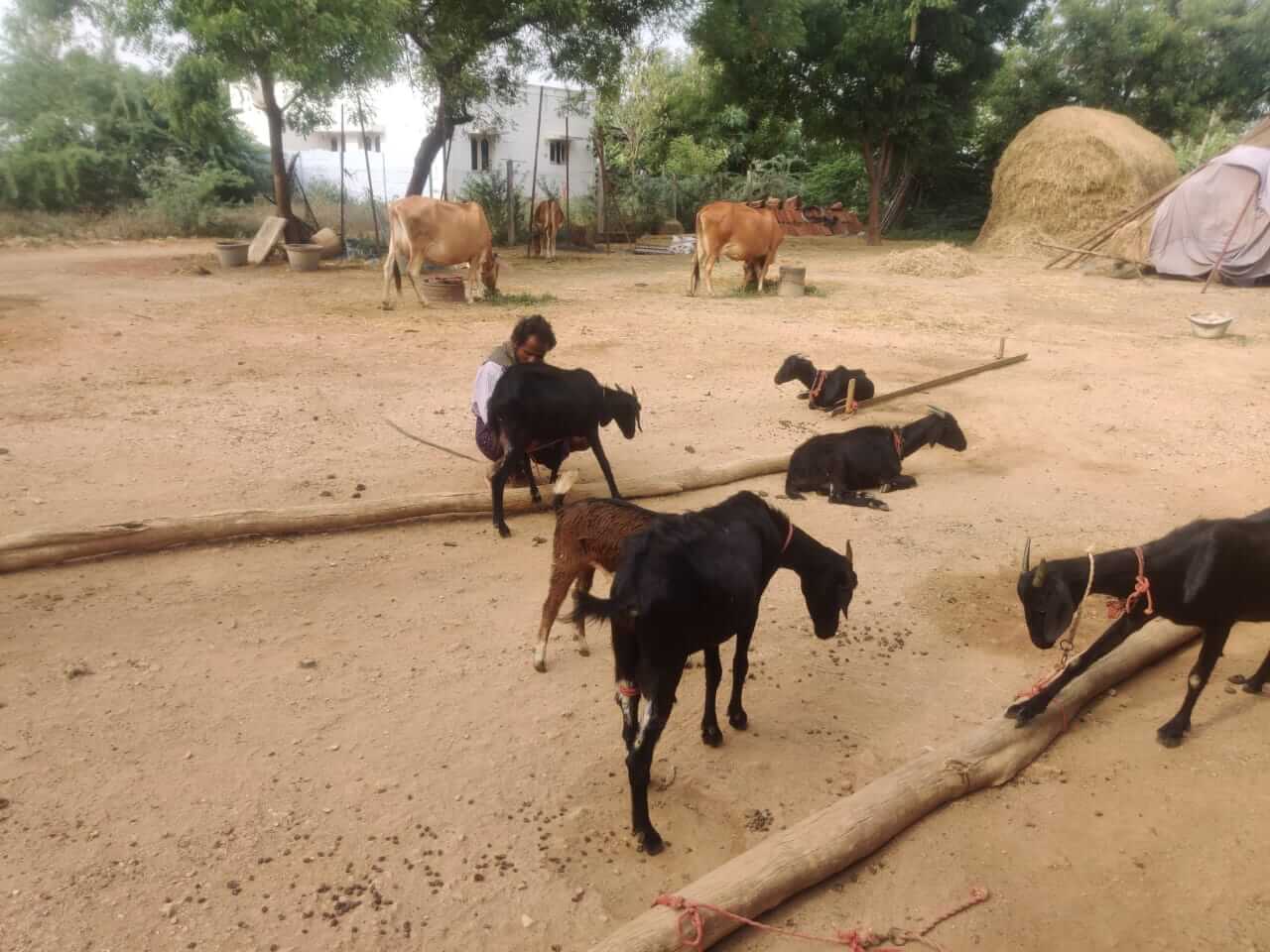
"They feel seen and accepted that we have given them this job, even though they are still living in a very dilapidated and simple hut that undoubtedly needs to be improved." says local project manager Maira. "I was friendly to Rani, but she kept her distance and was very hesitant to get close to me, but I kept talking to her and putting my arms around her and her son every time we were there."
The couple are still working to shake off the stigma of untouchability, and it's a long process. The plan is for Rani to start a sewing course as soon as they can start after the COVID-19 lockdown, which will give the small family new opportunities to earn enough to get by and, most importantly, give their son the chance to get an education, which is their greatest wish.
"We are teaching this generation that the caste system doesn't work anymore. God loves all people" - Maira, Project Manager
"Join us in praying that they will feel accepted and see themselves as God's creatures. Everyone is equal in God's eyes, no one should look down on others or feel better than others. We are teaching this generation that the caste system doesn't work anymore. God loves all people", Maira says with a strong belief that prayer and outstretched hands can change lives.
Facts: The caste system in India
According to Hinduism, you are born into a particular caste depending on how you have lived in your previous life. Caste discrimination was officially abolished in 1950 when India got its constitution. But today, people still write their caste on official documents such as education documents, passports and applications for education and jobs.Casteless people are considered impure.
Fortunately, India is moving away from the caste system, but it takes a long time to change people's mindset, especially outside the big cities where there is a tendency to stick more to tradition.
Source: Religion.dk, among others