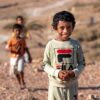
By her own admission, she had a good life with her family. But then, about five years ago, she let her little sister move into their home because she couldn't be in her parents' home. She was in the process of getting an education. It turned out to be fatal that they ended up living under the same
tag.
Perveen says: "After some time, she and my husband built up an unhealthy relationship with each other. I often saw signs of it and one day I caught them in it. I got into a fight with my husband and he beat me very badly, married my sister and divorced me. I left him and moved into my
parents' house with my kids."
Without skills
Parveen had no skills that she could use to support her children. The wives of three of her four brothers turned against her and started creating problems for her. They beat her children and forced her to constantly do their housework.
"You are a burden to us, we feed you and your children, so you have to do all the work," they had said according to Parveen. At some point, Parveen heard about the Danish European Mission partner's sewing center in her village. She was admitted to the sewing school and within a year she was trained in sewing
and embroider.
Sewing skills pay for the whole family
After graduating, I started embroidering and sewing clothes to earn money for my family. I have moved out of my parents' house and rent my own house where I use my skills to earn money. Last year, my eldest daughter got married and my two sons are pursuing technical education and all the family expenses are met through the income from my sewing skills," says Parveen.
Give more vulnerable Pakistani women like Parveen a one-year sewing course that can change their lives. It only costs 300 kr. Support