


1979
At the birth of the Islamic Republic, Ayatollah Khomeini promises religious freedom. A few days later The revolution becomes the priest Arastoo Sayyah brutally murdered.
1979-80
Western missionaries are no longer welcome and their visas are not renewed. Many leave the country within days. The government begins taking over Christian churches, schools and hospitals.
November 1979
Two assassins attempt to kill Bishop Hassan Dehqani-Tafti and his wife, but the bullets miss.

May 1980
Bahram, son of Bishop Dehqani-Taftiis shot and killed. The bishop and his family go into exile.
The 1980s
The government's main focus is on the war with Iraq.
The 1990s
The Persian-speaking church is beginning to grow rapidly, increasing the pressure on Christians.

December 1990
Pastor Hossein Soodman are executed for apostasy from Islam.
The Iranian Bible Society is closed - publishing Bibles and Christian literature in Persian is banned. Churches are warned against baptizing converts from Muslim backgrounds. Church services are restricted.
1993-94


Mehdi Dibaj sentenced to death for apostasy from Islam. Pastor Hitch Hovsepian-More struggles for Dibajs Freedom. Dibaj are released, but both Hovsepian and Dibaj is murdered shortly after.
June 1994
Pastor Tateos Michaelian is shot and killed just weeks after agreeing to spearhead the translation of the Bible into modern Persian.

1996
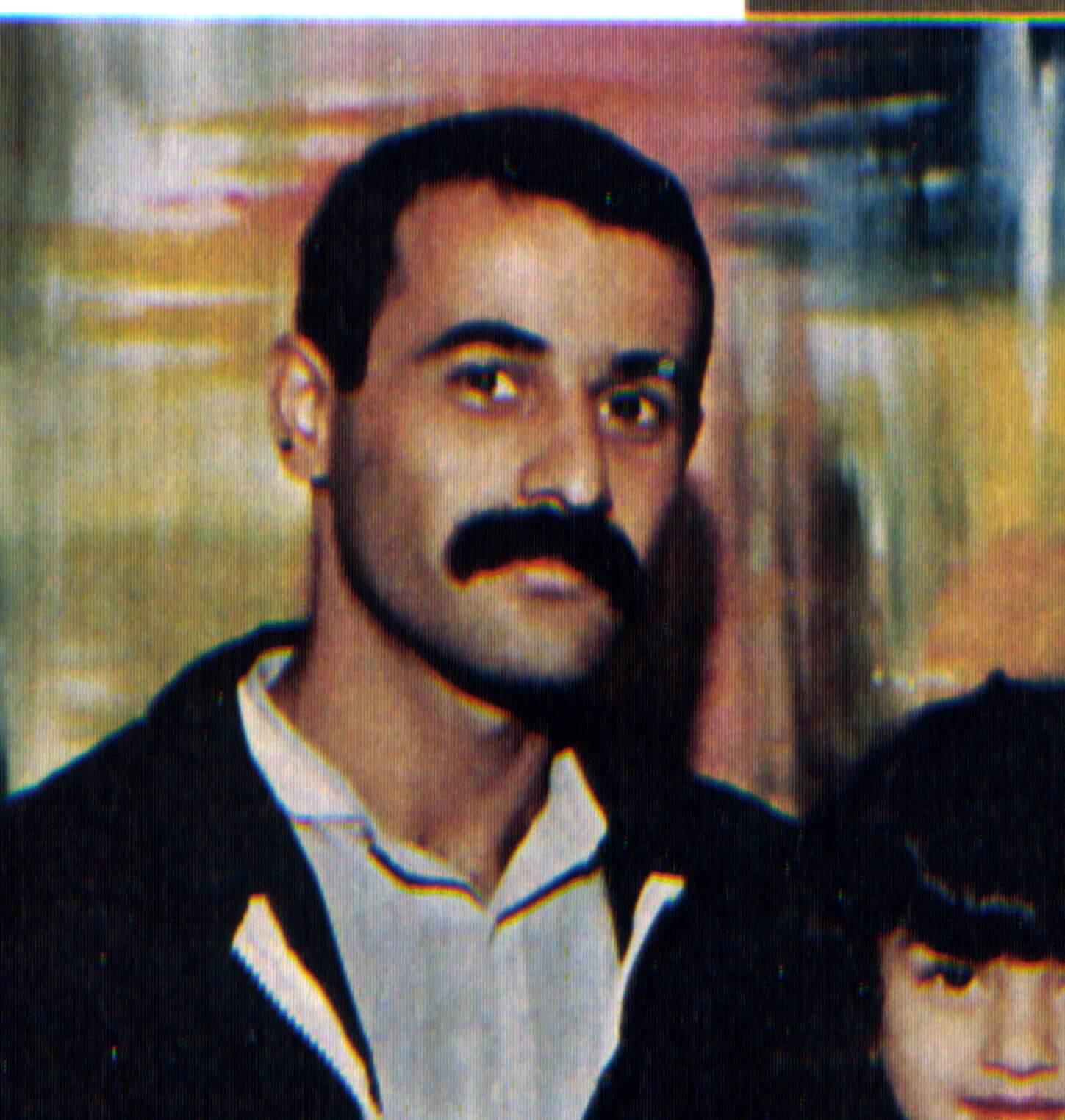
Mohammad Bagher Yousefi, also known as Ravanbakhshis murdered under suspicious circumstances.
Late 1990s
The Iranian house church movement is born.
2005
The Christian Ghorban Tourani are murdered under suspicious circumstances.

2005
President Ahmadinejad is elected and takes an even harder line. Both leaders and members of house churches now face persecution. Stricter controls are imposed on the permitted churches of ethnic minorities and some are closed down completely.
October 2010
Iran's Supreme Leader Ayatollah Khamenei declares in a public speech that house churches are a threat to Iran's national security. From then on, Christians who are arrested are typically charged with political rather than religious crimes.
December 2010
Major crackdown on members of house churches. Dozens of leaders are arrested, including Farshid Fathi, who is in prison for five years, the longest prison sentence until 2017. Danish European Mission readers are praying for him and sending letters of encouragement to him in prison.
2010-present
Arrests, arbitrary detentions, interrogations, torture, excessive bail amounts, complex court hearings, harsh prison sentences, forced expropriations, etc. are commonly used as weapons in the fight against evangelical Christians.
2013
The Christian woman Maryam Zargaran is imprisoned on dubious charges. At the urging of the Danish European Mission, many Danes are praying for Maryam and sending letters of encouragement.
2015
The great church growth in Iran, under persecution, becomes a phenomenon that researchers are interested in. Ph. Duane Miller and Patrick Johnstone estimates in an article in Interdisciplinary Journal of Research on Religion estimates that up to 500,000 Muslims have converted to the Christian faith. Before the fall of the Shah, the number was estimated at 500.
2017
The clergy changes strategy and sentences underground church leaders to significantly higher penalties than before. Amin Afshar Naderi is sentenced to 15 years in prison. As far as we know, this is the longest prison sentence ever given to a Christian. The appeal is still ongoing.
December 2018
In a large-scale campaign, 114 Christians are arrested in six days in nine cities.
2019
The targeted persecution continues.


