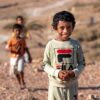
Civilians have to stay indoors due to the risk of bombardment.
The war has triggered an even greater economic crisis than the one that sparked the demonstrations on December 28 and for weeks to come. Inflation makes it difficult for many Iranians to afford food and other basic necessities. People's everyday lives are affected, so that something as simple as visiting a hospital or receiving medical care has become dangerous and unsafe. In other areas, life continues as normal.
It's hard for people not to know when the bombing will stop, what life will be like afterwards or who will ultimately be in power. This has created a complex mix of emotions among Iranians. Many welcome regime change, yet find themselves caught in the middle of a war. At the same time, there are still Islamists who feel a duty to defend Iran at all costs. While a large majority are concerned with taking care of their families and surviving.
The response of local house churches in the midst of all this chaos is inspiring:
- To offer shelter to those who have lost their homes in the attacks.
- Meeting basic needs by feeding people on the streets and sharing the gospel.
- Protecting the vulnerable, such as people with disabilities and special needs who are often overlooked.
- Despite the danger, believers continue to meet for fellowship and prayer and stand together as these events unfold.
”As Christians, we will stay and help”
This is an account from a house church in Iran. The area where it is located has been heavily bombarded and the inhabitants have heard terrifying explosions. The family that calls the house church home has a teenage daughter who was very scared. When the Danish European Mission's partner asked if they wanted to go to a safe place, they replied: ”No. As Christians, we will stay and help people, and if the situation allows, we will also share the gospel.” This was their message: ”The last few days I have seen things that have shown me what an incredible difference it makes when people receive help. The difference is truly amazing. For now, Ilya and I will stay here. We will start packing small packages and giving them to people. The economic situation of the people is really, really bad.
Food prices are rising
An Iranian Christian says: ”When I wanted to buy things like tissues, I had to go to two or three stores because the shelves were empty. Or for example, cooking oil was distributed in limited quantities - each person got about a liter - and other goods were handled in the same way. For example, dairy products are not available. In practice, the dairy shelves are empty or the items left on the shelves are those with a long shelf life, and even those are sold at very high prices without any explanation.”
”To explain it in more detail, for example, cooking oil that used to cost around 200,000 tomans now costs 640-650,000 tomans for the same amount. Or red meat that used to cost 1 million tomans now costs 1.7 to 1.8 million. Chicken that used to cost around 120,000 tomans now costs 250,000 to 300,000.”
”Rice has also increased a lot in price. Iranian rice that cost around 150,000 tomans three or four months ago now costs around 450,000 to 500,000 tomans. Detergents have also increased about seven times. Many other items like canned goods and the like have also increased in price.”
”You used to be able to buy 500,000 tomans worth of red meat, but now you have to buy it in very small quantities. There are many other similar cases.”